Best Roofing Systems for Colorado’s Harsh Weather
Learn which roofing materials really stand up to Colorado’s wind, hail, and heavy snow, and how proper installation keeps your roof performing for years.
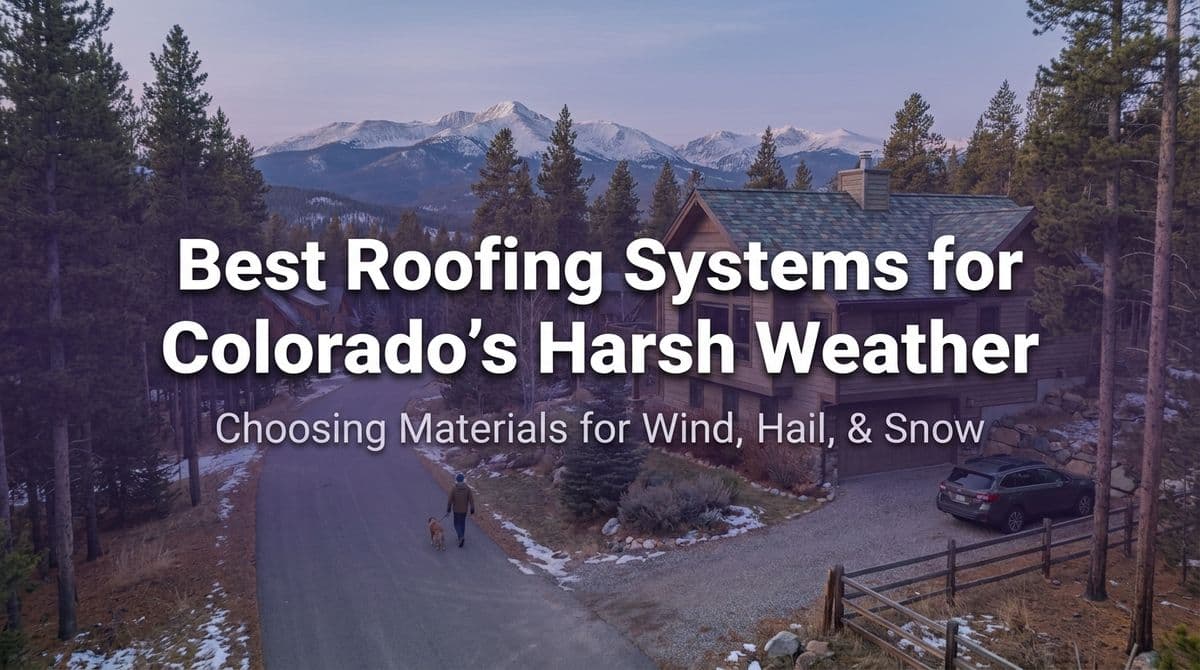
Choosing a Roof That Can Handle Colorado’s Wild Weather
Why Colorado Roofs Take More Damage Than Most
Colorado weather can be tough on roofing systems.
One week may bring sunshine and mild temperatures, while the next brings high winds, hailstorms, snow, and freezing temperatures. Over time, those constant weather swings can wear down even a well-built roof.
At Colorado Front Range Roofing, we help homeowners throughout Pueblo and Colorado Springs choose roofing systems designed specifically for Colorado’s demanding climate.
The right roof isn’t just about appearance — it’s about protecting your home from hail, wind, snow, UV exposure, and rapid temperature changes year after year.
What Colorado Weather Does to Roofing Materials
Colorado roofs face several major stress factors at the same time.
High Winds
Strong wind gusts can:
Lift shingles
Break sealant bonds
Loosen flashing
Expose vulnerable roof edges
Improperly installed roofing systems are especially vulnerable during wind events.
Hailstorms
Colorado is known for severe hailstorms that can damage roofing materials quickly.
Hail may cause:
Bruised shingles
Granule loss
Cracks
Dented metal components
Weakened roof surfaces
Even smaller hail can shorten the lifespan of a roof over time.
Heavy Snow and Ice
Winter weather creates additional roofing challenges, including:
Snow load stress
Ice dams
Freeze-thaw expansion
Water intrusion around roof edges
Without proper underlayment and ventilation, snow and ice can lead to leaks and structural damage.
Intense UV Exposure
Colorado’s higher elevation means stronger UV exposure than many other parts of the country.
Over time, sunlight can:
Dry out shingles
Fade materials
Accelerate aging
Reduce flexibility in roofing products
This is one reason roofing systems in Colorado often wear out faster than homeowners expect.
Best Roofing Options for Colorado Homes
Impact-Resistant Asphalt Shingles
For many homeowners, Class 4 impact-resistant shingles offer an excellent balance between affordability and storm protection.
Benefits include:
Better hail resistance
Strong wind ratings
Improved durability
Potential insurance discounts
These shingles are specifically engineered to handle severe weather conditions more effectively than standard asphalt shingles.
At Colorado Front Range Roofing, we often recommend impact-resistant roofing systems for homeowners in hail-prone areas throughout Southern Colorado.
Metal Roofing
Metal roofing is becoming increasingly popular in Colorado because of its long-term durability.
Advantages of metal roofing include:
Excellent wind resistance
Strong snow-shedding performance
Long lifespan
Reduced maintenance needs
Better resistance to cracking and weathering
Standing seam metal roofing systems are especially effective in areas that experience frequent snow and high winds.
While hail can sometimes dent metal roofing, properly installed systems are still highly resistant to leaks and severe structural damage.
Concrete or Clay Tile Roofing
Concrete and clay tile roofing can also perform very well in Colorado’s climate when installed correctly.
Benefits include:
Excellent longevity
Strong resistance to UV exposure
Durable performance in wind conditions
Distinctive appearance
However, tile roofing is heavier than other roofing systems, so the home’s structure must be able to support the additional weight safely.
Why Installation Quality Matters
Even the best roofing materials can fail if installation quality is poor.
A roofing system’s performance depends heavily on:
Proper nailing patterns
Correct underlayment installation
Flashing details
Ventilation design
Edge protection
Colorado weather exposes installation mistakes quickly.
At Colorado Front Range Roofing, we focus on installation details designed specifically for Colorado’s climate, including upgraded underlayment systems and proper ventilation strategies to help roofs last longer.
Important Roofing Features for Colorado Homes
Ice and Water Shield Protection
Ice and water shield underlayment helps protect vulnerable areas from:
Ice dams
Wind-driven rain
Snow melt intrusion
This extra protection is especially important around:
Roof valleys
Eaves
Penetrations
Chimneys
Proper Roof Ventilation
Ventilation plays a major role in roof performance.
A properly ventilated attic helps:
Reduce heat buildup
Prevent moisture accumulation
Minimize ice dam formation
Extend roofing material lifespan
Poor ventilation can dramatically shorten the life of a roofing system.
High Wind Installation Methods
Roofing systems in Colorado should be installed using manufacturer-approved wind-resistant installation methods.
This often includes:
Additional fasteners
Reinforced starter shingles
Proper ridge installation
Enhanced edge protection
These details help roofs hold up better during severe windstorms.
How to Choose the Right Roof for Your Home
Every home has different needs, budgets, and priorities.
Before choosing a roofing system, homeowners should consider:
Roof slope and structure
Storm exposure
Long-term budget
HOA requirements
Desired lifespan
Energy efficiency goals
Appearance preferences
Some homeowners prioritize affordability, while others want maximum durability and long-term value.
The best choice depends on balancing all of those factors together.
Final Thoughts
Colorado’s weather can be unpredictable, but the right roofing system can provide reliable protection for decades when properly selected and professionally installed.
Whether you’re considering impact-resistant shingles, standing seam metal roofing, or another durable roofing option, choosing materials designed for Colorado’s climate is one of the smartest investments you can make for your home.
At Colorado Front Range Roofing, we help homeowners throughout Pueblo and Colorado Springs evaluate roofing options based on durability, storm resistance, budget, and long-term performance.
If you’re planning a roof replacement or want to know whether your current roof is ready for Colorado’s next storm season, contact us here:
https://coloradofrroofing.com/contact-us
FAQ
What is the best roofing material for Colorado weather?
Impact-resistant asphalt shingles and standing seam metal roofing are two of the most popular and effective options for Colorado homes.
Are metal roofs good for snow and hail?
Yes. Properly installed metal roofs perform very well in snow, wind, and hail-prone environments.
What are Class 4 shingles?
Class 4 shingles are impact-resistant shingles designed to better withstand hail damage compared to standard shingles.
Why do Colorado roofs wear out faster?
Colorado roofs experience intense UV exposure, hailstorms, snow, high winds, and rapid temperature changes that accelerate wear.
Does roof installation quality really matter?
Absolutely. Proper installation details like ventilation, flashing, underlayment, and fastening are critical for long-term roof performance in Colorado’s climate.