Understanding Colorado Roofing Code Requirements
Planning a roof replacement in Colorado? Learn key roofing code requirements for permits, underlayment, shingles, ventilation, and inspections before work starts.
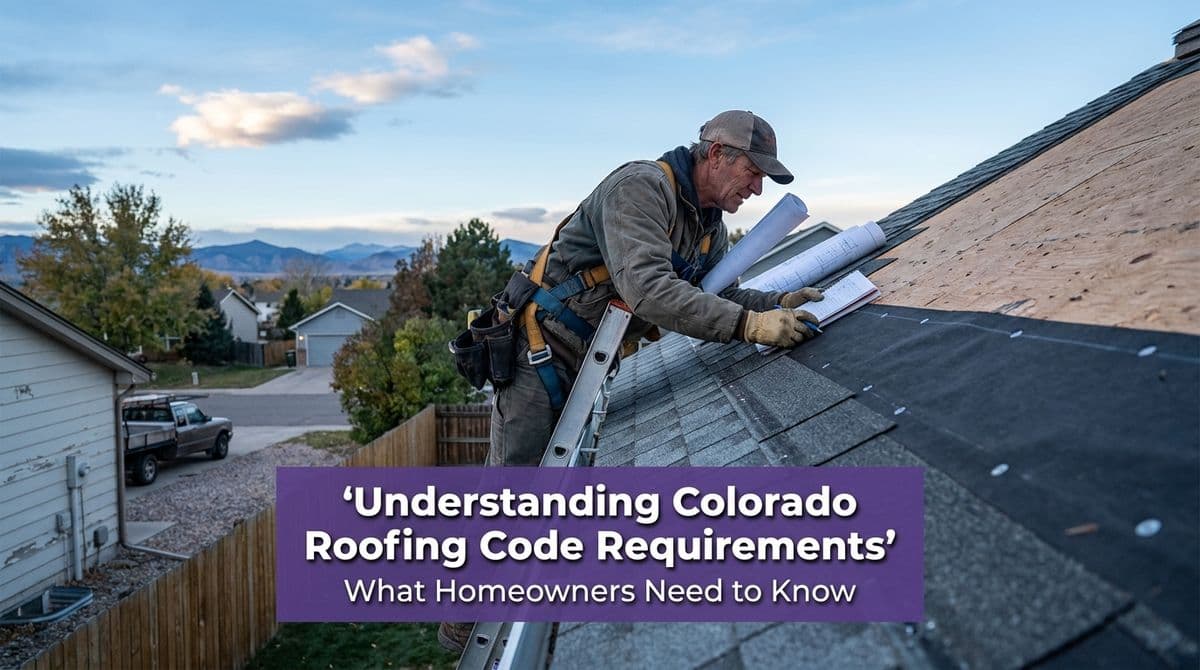
Why Roofing Codes Matter in Colorado
Roofing codes can feel like a headache when you’re trying to deal with storm damage or replace an aging roof quickly. But in Colorado, those requirements are there for a reason. Between hailstorms, high winds, heavy snow, freeze-thaw cycles, and intense UV exposure, roofs here deal with far more stress than in many other parts of the country.
A roof that isn’t installed to current code can lead to:
Failed inspections
Warranty problems
Insurance claim issues
Shortened roof lifespan
Trouble during a future home sale
That’s why code compliance matters more than many homeowners realize.
Colorado Roofing Codes: Local Rules Matter
One of the biggest misconceptions is that there’s one universal “Colorado roofing code.” In reality, roofing regulations are usually enforced at the city or county level.
Most jurisdictions follow versions of the:
International Residential Code (IRC)
International Building Code (IBC)
But local areas often add their own requirements based on:
Wind exposure
Snow loads
Hail risk
Wildfire concerns
Elevation and climate conditions
That means what passes inspection in one Colorado town might not pass in another.
Permits & Inspections: Don’t Skip Them
In most Colorado communities, roof replacements require permits — and sometimes major repairs do too.
Skipping permits may seem like a shortcut, but it can create major problems later.
Why permits matter
They document that the work was completed legally
They help protect resale value
They provide proof for insurance companies
They ensure inspections catch hidden installation issues
What inspectors commonly check
Proper nailing patterns
Underlayment installation
Roof ventilation
Flashing details
Drip edge installation
Decking condition
A failed inspection usually means corrections must be made before the project is officially approved.
Ice & Water Shield Requirements
Colorado’s snow and freeze-thaw cycles make underlayment especially important.
Depending on your area, code may require:
Ice and water shield along eaves
Additional protection in valleys
Synthetic underlayment beneath shingles
Extra waterproofing in low-slope sections
These materials help protect against:
Ice dams
Wind-driven rain
Snow melt infiltration
Hidden moisture damage
Even when not required everywhere, many roofers recommend exceeding minimum code standards in vulnerable areas.
Wind & Hail Roofing Requirements
Because Colorado sees frequent severe storms, roofing products often need to meet specific performance standards.
Common requirements include
High wind-rated shingles
Manufacturer-approved fastening patterns
Proper starter strip installation
Impact-resistant roofing systems in hail-prone areas
Many homeowners also choose Class 4 impact-resistant shingles because they:
Better resist hail damage
May qualify for insurance discounts
Often hold up longer in Colorado conditions
Installation quality matters just as much as the material itself.
Ventilation & Flashing Matter More Than People Think
Homeowners often focus only on shingles, but inspectors pay attention to much more than what’s visible from the street.
Important code-related details include
Proper attic ventilation
Intake and exhaust airflow balance
Flashing around chimneys and walls
Drip edge installation
Replacement of damaged roof decking
Poor ventilation alone can shorten roof life significantly by trapping heat and moisture in the attic.
Smart Questions to Ask Your Roofer
Before signing a roofing contract, it’s worth asking:
Which code cycle does my city currently use?
Will permits and inspections be included?
What underlayment system is being installed?
Are the shingles rated for Colorado wind and hail?
Will damaged decking be replaced if found?
Is ventilation being upgraded if needed?
A good contractor should be able to explain these details clearly and include them in writing.
A Code-Compliant Roof Protects More Than Just Your Home
Following roofing code requirements isn’t just about “passing inspection.” It helps ensure your roof performs the way it’s supposed to during Colorado’s extreme weather conditions.
A properly installed roof can help provide:
Better storm protection
Longer material lifespan
Stronger manufacturer warranty coverage
Fewer future repair issues
Better documentation for insurance and resale
If you’re planning a roof replacement or have questions about what local codes apply to your home, you can reach out here:
Colorado Front Range Roofing Contact Page