Concrete Tile Roofing
Explore the advantages of concrete tile roofing. Offering durability, style, and energy efficiency, it adds value and protection to your home.
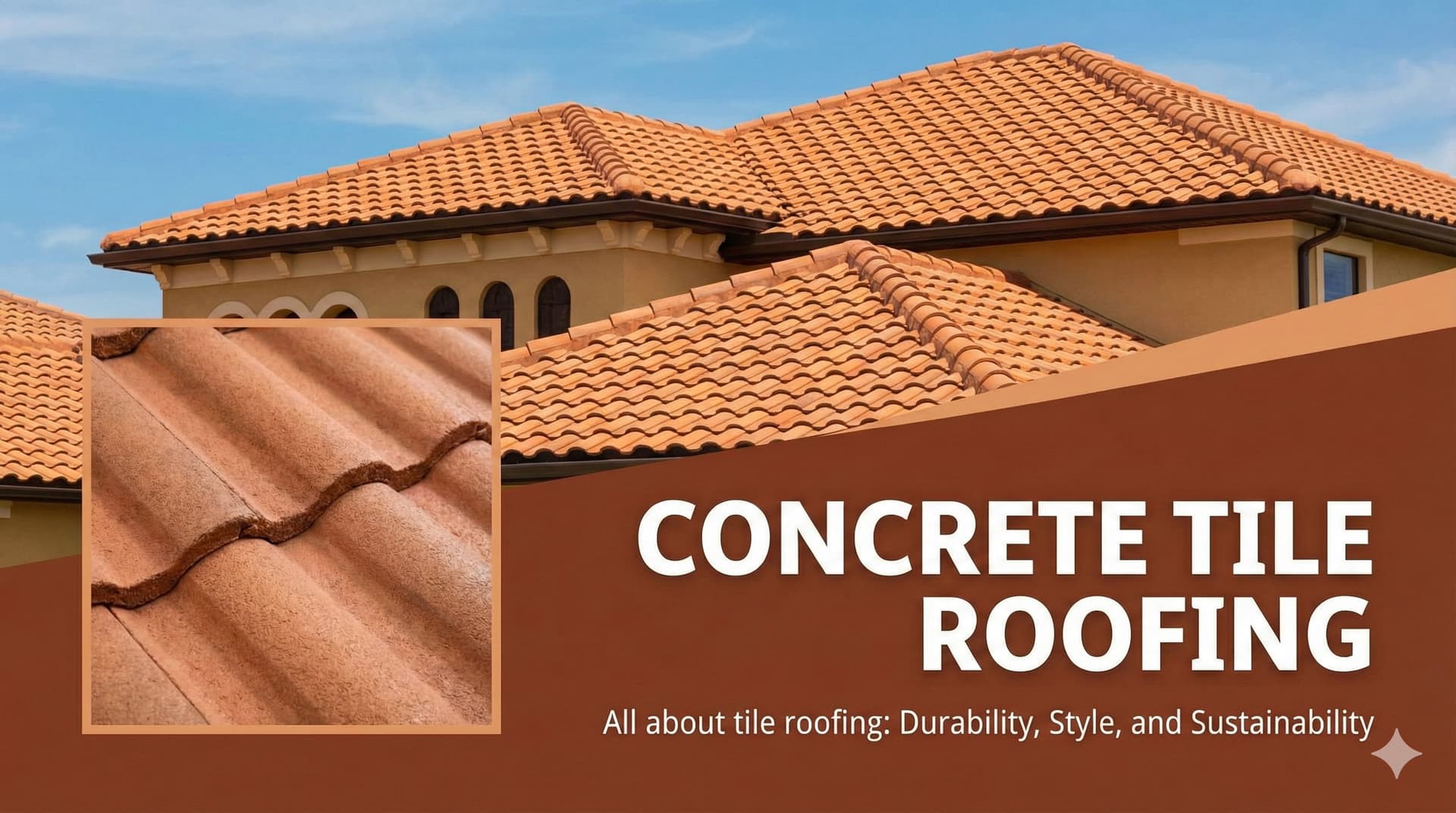
Durable, Beautiful, and Built to Last
At Colorado Front Range Roofing, we believe a roof should do more than protect your home—it should enhance its appearance, improve energy efficiency, and add long-term value. That’s why concrete tile roofing remains one of the smartest choices for homeowners, architects, builders, and remodelers.
Whether your priority is durability, color selection, architectural compatibility, or energy performance, concrete tile offers a solution that delivers. With a wide palette of styles and colors available, concrete tile roofs complement nearly any architectural design while providing exceptional curb appeal.
Why Choose Concrete Tile Roofing?
A properly installed concrete tile roof delivers both visual impact and long-term performance:
Longevity
Concrete tiles are engineered to withstand decades of exposure and can last the lifetime of the structure.
Weather Resistance
Designed to handle rain, hail, and high winds, concrete tile roofing provides reliable, worry-free protection.
Energy Efficiency
The air space beneath the tiles combined with concrete’s natural thermal mass helps reduce heat transfer and lower cooling costs.
Low Maintenance
With periodic inspections and routine maintenance, long-term repair costs and reroofing cycles are significantly reduced.
Added Home Value
Concrete tile roofing enhances curb appeal and increases resale value—especially important for long-term homeowners or sellers.
According to a 2007 National Association of Home Builders study, concrete, clay, and copper tile roofs are considered lifetime roofing materials, making them among the most cost-effective roofing systems available when evaluated over their full life cycle.
The Science Behind Concrete Roof Tiles
Concrete roof tiles are manufactured from a precise blend of:
Portland cement for structural strength
Sand for texture and volume
Water for curing and bonding
Iron oxide pigments (optional) for long-lasting color
Once molded, the tiles are cured and coated to enhance durability, UV resistance, and appearance. Many modern concrete tiles are engineered to be lighter in weight, expanding compatibility with a wider range of roof structures.
Installation Overview
Concrete tile roofing requires experience and precision. At Ramon Roofing, every layer of the system is installed with strict attention to detail:
Roof Preparation
The roof deck is inspected and reinforced as necessary to support tile loads, typically 700–1,000 pounds per square.
Underlayment Installation
A high-quality waterproof underlayment is installed as the primary moisture barrier beneath the tile.
Battens and Flashing
Battens help with tile alignment, drainage, and airflow, while metal flashing protects valleys, penetrations, and transitions.
Tile Installation
Tiles are installed from the eaves upward in overlapping courses and secured with approved fasteners or clips.
Ridge and Hip Finishing
Specialized ridge and hip tiles complete the system with a clean, weather-tight finish.
Final Inspection
Each roof is thoroughly inspected for alignment, secure fastening, flashing integrity, and exposed underlayment.
Understanding the Tile Roofing “R&R” Lifecycle
While concrete tiles themselves are extremely durable, the underlayment beneath the tile is the true waterproofing system.
In high-sun and extreme-heat environments, underlayment materials typically last 12 to 20 years. When a tile roof leaks, it is almost always due to underlayment failure, not tile damage.
At that point, a Tile R&R (Remove and Replace) is required:
Tiles are carefully removed and staged
Deteriorated felt or synthetic underlayment is replaced
Original tiles (or new tiles if needed) are reinstalled
Delaying underlayment replacement often results in recurring leaks and interior damage.
Anatomy of a Tile Roof System
A properly designed tile roof includes several critical components:
Underlayment
The primary waterproof barrier beneath the tiles.
Battens
Horizontal strips that support tile alignment, drainage, and airflow.
Valleys
Internal roof intersections that rely on metal flashing to divert water.
Flashing
Metal components installed at chimneys, vents, walls, and transitions to prevent water intrusion.
Eaves
The lower edge of the roof that directs water away from exterior walls.
Rake & Gable
The sloped roof edges at the ends of the structure.
Hip & Ridge
High points where roof planes meet, capped with specialized tiles.
Ventilation
Allows heat and moisture to escape, protecting the roofing system and structure.
Installation Quick-Check Standards
Professional tile roof installations follow strict guidelines:
Minimum roof pitch: Typically 4:12
Underlayment overlap: Minimum 4 inches
Flashing: Installed before tile placement
Installation sequence: Always start at the eaves and work upward, staggering joints for strength and aesthetics
Benefits of Concrete Tile Roofing
Concrete tile remains one of the most popular tile options because it delivers premium performance at a more accessible price point than clay or slate:
50–100+ year tile lifespan
Excellent thermal mass, reducing cooling demands
High wind and hail resistance, including hurricane-rated systems
Sustainable materials, fully recyclable and environmentally responsible
Pro Tip: Homes built during major construction booms—especially in the mid-to-late 1980s—often used lower-quality underlayment materials. If you’re purchasing a home from that era, a professional tile roof inspection is strongly recommended.
The Investment That Pays Off
While concrete tile roofing carries a higher upfront cost than asphalt shingles, its durability, energy efficiency, and minimal maintenance make it one of the best long-term roofing investments available. For many homeowners, it truly is the last roof they will ever install.
Final Thoughts
By combining structural strength, architectural beauty, and long-term sustainability, a concrete tile roof from Colorado Front Range Roofing delivers exceptional value. Whether you’re building new or replacing an aging roof, concrete tile offers timeless design and dependable performance—year after year.