Insurance Claim Process for Roof Damage: What Homeowners Should Expect
Explore the roof insurance claim process from inspections to repairs. This guide helps homeowners understand each step and avoid common pitfalls.
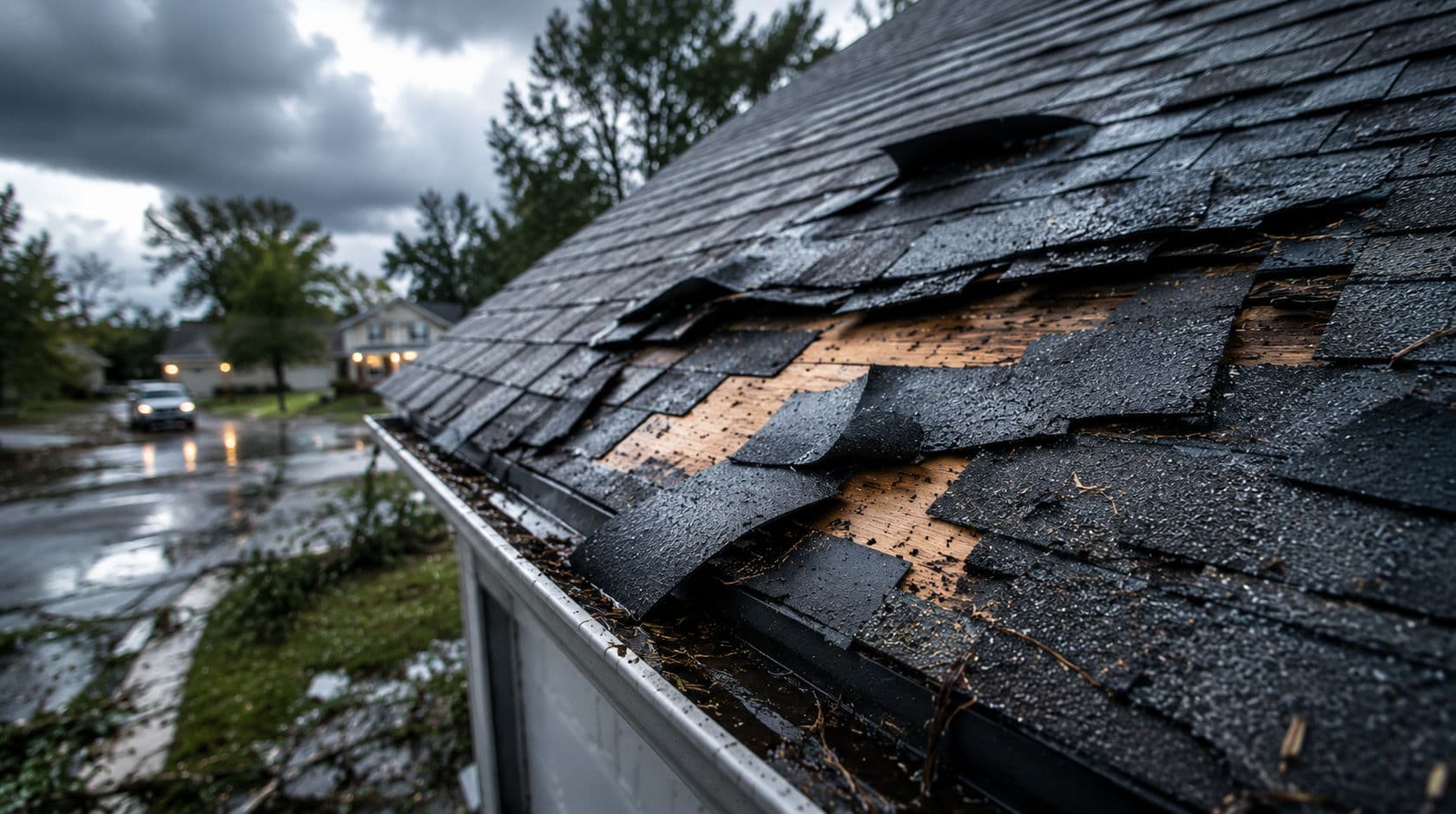
Understanding the Roof Insurance Claim Process
Discovering roof damage after a hailstorm or wind event can feel overwhelming, especially when insurance paperwork, inspections, and deadlines all start happening at once.
One of the biggest questions homeowners ask is:
“How does the roof insurance claim process actually work?”
At Colorado Front Range Roofing, we help homeowners throughout Pueblo and Colorado Springs navigate storm damage inspections and understand the insurance process step by step.
While every insurance company and policy is different, most roof damage claims follow a similar process from inspection to final repairs.
This guide breaks down what homeowners should expect and how to avoid common mistakes along the way.
Step 1: Identify Signs of Roof Damage
The insurance process usually begins after a homeowner notices signs of storm damage following:
Hailstorms
High winds
Heavy rain
Falling debris
Severe weather events
Common warning signs include:
Missing shingles
Ceiling stains
Granules in gutters
Dented gutters or vents
Water leaks
Lifted or creased shingles
Sometimes damage is obvious immediately after the storm. Other times, it may take weeks or months before leaks or interior problems appear.
That’s why professional inspections are important after major weather events.
Step 2: Schedule a Professional Roof Inspection
Before filing an insurance claim, many homeowners choose to schedule a roofing inspection first.
A professional inspection helps determine:
Whether storm damage is actually present
How severe the damage is
Whether repairs or replacement may be needed
What documentation should be provided to insurance
At Colorado Front Range Roofing, we use detailed inspections and drone technology to identify storm-related roofing damage safely and accurately.
A proper inspection should include:
Roof photos
Damage documentation
Notes about affected areas
Honest repair recommendations
This gives homeowners a clearer understanding of the roof’s condition before starting the claim process.
Step 3: Contact Your Insurance Company
Once damage has been documented, the next step is notifying your insurance company.
Most insurers will ask for:
Policy information
Date of the storm
Description of the damage
Photos if available
After the claim is opened, the insurance company typically assigns an adjuster to inspect the property.
It’s important not to wait too long to report storm damage, since many policies require claims to be filed promptly after the event.
Step 4: Meet With the Insurance Adjuster
The insurance adjuster’s job is to evaluate the damage and determine what may be covered under the policy.
During the inspection, the adjuster may look for:
Hail impacts
Wind damage
Missing shingles
Roof age and condition
Interior water damage
Signs of wear versus storm-related damage
Many homeowners choose to have their roofing contractor present during this inspection to help answer questions and ensure all damage is properly identified.
A qualified roofing contractor can also help explain technical roofing issues the homeowner may not recognize on their own.
Step 5: Review the Insurance Estimate
After the adjuster inspection, the insurance company typically provides a claim summary or estimate.
This document usually outlines:
Covered damage
Repair or replacement scope
Approved payment amounts
Deductible information
Depreciation calculations
Homeowners should review this carefully to make sure:
All storm-related damage was included
Roofing materials are accurate
Important components like flashing or ventilation were considered
If questions come up, your roofing contractor may help review the estimate and explain differences between actual roofing needs and the insurance scope.
Step 6: Schedule Roof Repairs or Replacement
Once the claim is approved, repairs or replacement work can be scheduled.
Depending on the damage, this may include:
Shingle replacement
Flashing repairs
Leak repairs
Full roof replacement
Gutter or ventilation repairs
At Colorado Front Range Roofing, we help homeowners throughout the process with clear communication, quality materials, and workmanship designed for Colorado’s harsh weather conditions.
Step 7: Final Inspection and Claim Completion
After the roofing work is completed, some insurance companies may perform a final inspection before closing the claim.
Homeowners should keep copies of:
Contracts
Photos
Invoices
Warranty paperwork
Insurance documents
These records can help with future claims, resale documentation, or warranty support later on.
Common Mistakes Homeowners Should Avoid
Waiting Too Long to File
Delays can complicate claims and make it harder to prove storm-related damage.
Filing Claims Without Inspections
Not every storm causes enough damage to justify a claim. A professional inspection helps homeowners make informed decisions first.
Choosing Contractors Based Only on Price
Extremely low bids may lead to poor workmanship, warranty problems, or insurance complications.
Ignoring Small Leaks
Minor leaks often turn into major structural damage if left unresolved.
Not Understanding the Deductible
Homeowners are generally responsible for their deductible amount, and reputable contractors should explain costs clearly upfront.
How Long Does the Insurance Claim Process Take?
Every claim is different, but timelines often depend on:
Storm severity
Insurance response times
Material availability
Roof complexity
Weather conditions
Some claims move quickly within a few weeks, while larger replacement projects may take longer depending on scheduling and approvals.
Good communication between the homeowner, roofer, and insurance company helps the process move more smoothly.
Final Thoughts
Roof damage claims can feel complicated at first, but understanding the process helps homeowners make better decisions and avoid unnecessary stress.
The key is acting quickly after storms, documenting damage properly, and working with an experienced roofing contractor who understands both roofing systems and insurance inspections.
At Colorado Front Range Roofing, we provide professional storm damage inspections, detailed documentation, and honest guidance for homeowners throughout Pueblo and Colorado Springs.
If you suspect your roof may have storm damage, schedule an inspection here:
https://coloradofrroofing.com/contact-us
FAQ
Should I call a roofer or insurance company first?
Many homeowners schedule a professional roof inspection first to confirm whether storm damage is present before opening a claim.
Will insurance cover roof replacement?
It depends on the cause of the damage and the details of your policy. Storm-related damage is often covered if properly documented.
How long do roof insurance claims take?
Some claims are resolved within a few weeks, while larger projects may take longer depending on approvals, scheduling, and repairs.
What does an insurance adjuster look for on a roof?
Adjusters inspect for storm damage, missing shingles, hail impacts, leaks, flashing damage, and overall roof condition.
Can a roofing contractor help with the insurance process?
Yes. Experienced roofing contractors often help document storm damage, provide inspection reports, and answer questions during the adjuster inspection.