New Roof Over an Existing Roof? Pros, Cons & Codes
Wondering if you can install a new roof over your old shingles? We explain when a roof-over is allowed, its pros and cons, and when a full tear-off is smarter.
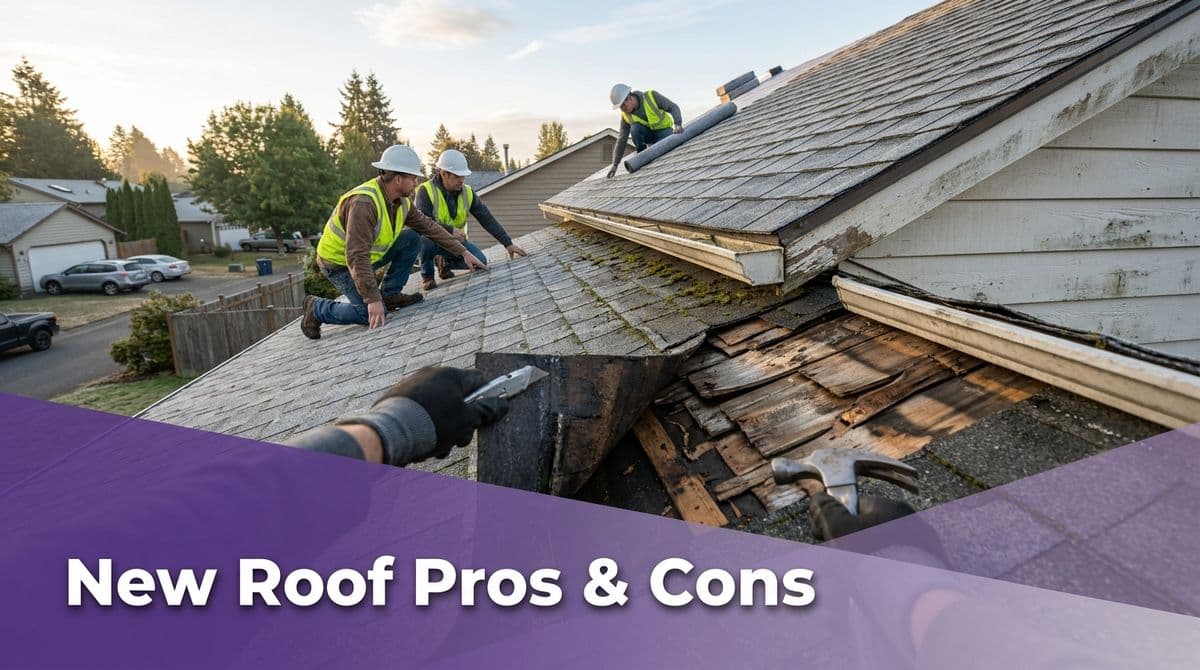
Can You Put a New Roof Over the Old One?
Can You Install New Shingles Over an Existing Roof?
One of the most common questions homeowners ask during a roof replacement project is:
“Can a new roof be installed over the old one, or does everything have to be torn off first?”
The short answer is: sometimes — but it depends on the condition of the existing roof, local building codes, and the long-term goals for the home.
At Colorado Front Range Roofing, we help homeowners throughout Pueblo and Colorado Springs understand the pros, risks, and limitations of roof-over installations so they can make informed decisions before starting a project.
In some situations, installing a second layer of shingles can work. In others, it can create bigger problems down the road.
Is It Legal to Install a Roof Over an Existing Roof?
In many areas, building codes allow homeowners to install a second layer of asphalt shingles over an existing roof.
However, there are important limitations.
Most building codes typically:
Allow a maximum of two shingle layers
Require tear-off if two layers already exist
Require removal if the existing roof is badly damaged
Require the roof deck to remain structurally sound
Local requirements can vary, so it’s always important to confirm code compliance before starting any roofing project.
Even if a roof-over is technically allowed, that doesn’t always mean it’s the best long-term solution.
Pros of Installing a New Roof Over the Old One
Lower Upfront Cost
One of the biggest reasons homeowners consider a roof-over is cost savings.
Because the old shingles stay in place, homeowners may save money on:
Tear-off labor
Dumpster fees
Disposal costs
Cleanup time
For some homeowners working within a tighter budget, this can make roof replacement more financially manageable.
Faster Installation
Without removing the old roof first, installation is usually faster.
In many cases, this can:
Reduce project timelines
Minimize disruption
Help homeowners complete work before incoming storms
This can be appealing during busy roofing seasons or after severe weather events.
Less Mess Around the Property
Roof tear-offs naturally create more debris and cleanup.
Roof-over installations generally produce:
Less noise
Fewer loose nails
Less landscaping disruption
Smaller cleanup areas
While professional roofers should always protect the property carefully, some homeowners appreciate the cleaner process of a layover installation.
Cons of Roofing Over Existing Shingles
Hidden Damage May Stay Hidden
One of the biggest concerns with roof-overs is that the roof deck underneath cannot be fully inspected.
Without removing the old shingles, hidden problems may go unnoticed, including:
Rotten decking
Moisture damage
Mold or mildew
Soft spots
Previous leak damage
Covering these issues instead of repairing them can lead to much larger problems later.
At Colorado Front Range Roofing, we carefully inspect roofs and attic spaces before recommending whether a roof-over is even appropriate.
Added Weight on the Home
Adding another layer of shingles increases the weight placed on the roof structure.
This can become a concern if:
The home is older
The framing is weakened
The roof already shows sagging
Heavy snow loads are common
Structural stress is one reason many roofing professionals prefer full tear-offs whenever possible.
Shorter Lifespan
In many cases, a second-layer roof does not last as long as a full replacement installed directly over a clean roof deck.
Reasons can include:
Heat buildup between layers
Uneven surfaces
Reduced ventilation performance
Existing roof imperfections affecting the new shingles
Some manufacturer warranties may also offer reduced coverage on second-layer installations.
Appearance May Not Look as Clean
Installing shingles over existing roofing materials can sometimes create:
Uneven roof lines
Visible ridges
Wavy surfaces
Less polished curb appeal
If appearance and resale value are priorities, homeowners should consider this carefully before choosing a roof-over.
When a Roof-Over Might Make Sense
In certain situations, a roof-over can still be a reasonable option.
It may work well if:
There is only one existing shingle layer
The roof deck is solid
No major leaks are present
Shingles are relatively flat
The structure is in good condition
Local code allows it
Some homeowners also choose roof-overs when:
Budget is the primary concern
They plan to sell the home soon
The roof is otherwise structurally healthy
The key is making sure the roof underneath is still in good condition before adding another layer.
When a Full Tear-Off Is Usually Better
A complete tear-off is often the better option if:
The roof already has two layers
There are active leaks
Sagging is visible
Shingles are severely curled or brittle
Soft spots are present
Ventilation upgrades are needed
Storm damage is extensive
A tear-off allows roofing contractors to inspect and repair the decking properly before installing the new roofing system.
While it costs more upfront, it often provides better long-term performance and lifespan.
How to Decide Which Option Is Right
Before deciding between a roof-over and a full tear-off, homeowners should:
Schedule a professional roof inspection
Verify local code requirements
Compare long-term costs, not just upfront price
Review warranty differences
Evaluate the condition of the existing roof deck
A lower estimate isn’t always the better investment if it shortens the life of the new roof or hides underlying issues.
Final Thoughts
Installing a new roof over an existing roof can work in certain situations, but it’s not always the right choice for every home.
The condition of the existing roof, structural integrity, local codes, and long-term goals all play an important role in deciding whether a roof-over or full tear-off makes the most sense.
At Colorado Front Range Roofing, we provide honest inspections and straightforward recommendations so homeowners can make confident roofing decisions based on what’s best for their property — not just the cheapest short-term option.
If you’re considering roof replacement and want professional guidance on whether a roof-over is possible for your home, contact us here:
https://coloradofrroofing.com/contact-us
FAQ
Can you put new shingles over old shingles?
Yes, in many cases homeowners can install a second layer of shingles if local codes allow it and the existing roof is in good condition.
How many layers of shingles are allowed?
Most building codes allow a maximum of two layers of asphalt shingles.
Is a roof-over cheaper than a tear-off?
Yes. Roof-overs are usually less expensive upfront because they avoid tear-off and disposal costs.
Does roofing over shingles reduce lifespan?
It can. Second-layer roofs often do not last as long as roofs installed over a clean roof deck.
When should a roof be fully torn off?
A full tear-off is usually recommended when there are leaks, sagging areas, structural concerns, or multiple existing roof layers.