Roof Installation Day: What to Expect & How to Prepare
Roof installation day doesn’t have to be stressful. Learn what really happens, how to prepare your home and yard, and how to tell if your new roof is installed correctly.
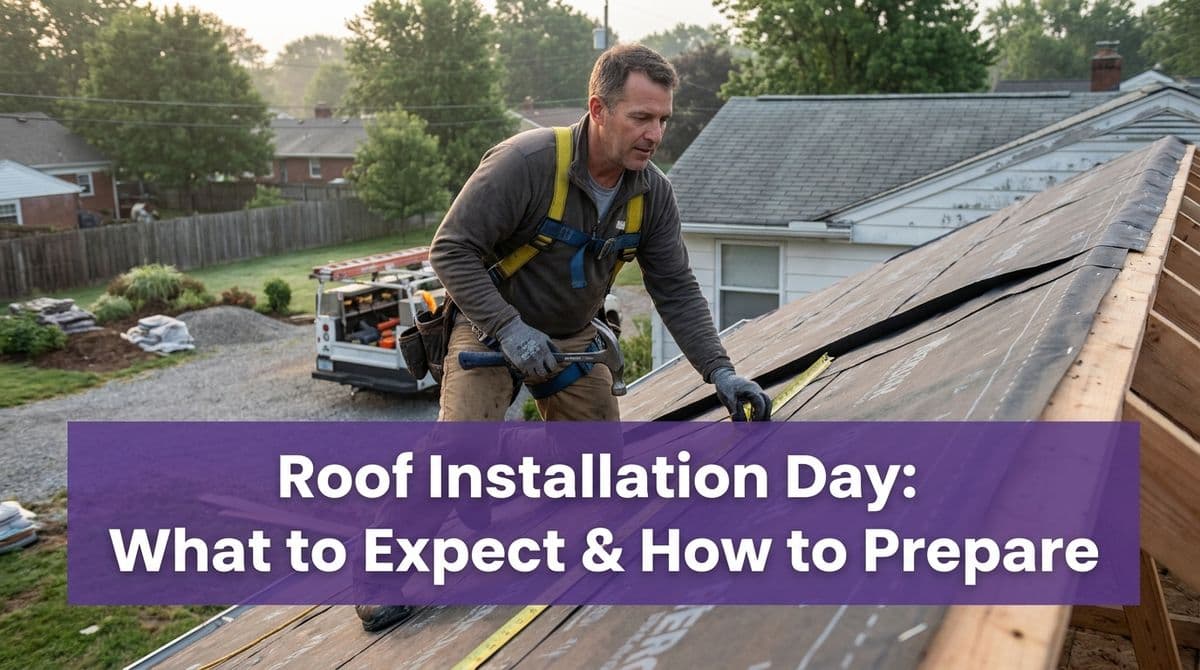
Preparing for Your Roof Replacement
A roof replacement is a major home project, so it’s completely normal for homeowners to wonder what installation day will actually look like.
Questions like these come up all the time:
How noisy will it be?
Do vehicles need to be moved?
Will the yard be a mess?
Should items inside the house be protected?
How long will the process take?
At Colorado Front Range Roofing, we believe homeowners should know exactly what to expect before installation day arrives. Proper preparation helps the project move smoothly and keeps your property protected throughout the process.
Here’s a step-by-step breakdown of what typically happens during a roof installation and how homeowners can prepare ahead of time.
Before Installation Day: Scheduling, Weather & Permits
Before roofing work begins, several important steps happen behind the scenes.
Weather Monitoring
Roofing projects depend heavily on weather conditions.
Professional roofing crews closely monitor forecasts for:
Rain
High winds
Hail
Severe storms
If unsafe weather is expected, installation may be rescheduled to protect the home from moisture exposure during the tear-off process.
Permits and Paperwork
In most cases, the roofing contractor handles required permits for the project.
For insurance-related roof replacements, contractors may also coordinate documentation that matches the approved insurance scope of work.
By installation day, materials are typically ordered, permits are in place, and the project plan has already been reviewed with the homeowner.
How Homeowners Should Prepare the Property
A little preparation before installation day can help protect belongings and make the process easier for everyone involved.
Move Vehicles Away From the House
Roofing crews often need close access for:
Dump trailers
Material delivery
Equipment
Cleanup
Moving vehicles out of the driveway also helps prevent accidental damage from falling debris.
Protect Outdoor Furniture and Decorations
Homeowners should move items away from the home, including:
Patio furniture
Grills
Potted plants
Decorations
Toys
This creates a safer work area and helps protect personal property during tear-off and cleanup.
Secure Fragile Items Indoors
Roof installation creates vibration throughout the home.
It’s a good idea to remove or secure:
Wall decorations
Fragile shelves
Hanging frames
Breakable items in upstairs rooms
Small vibrations are normal during roofing work.
Cover Items Stored in the Attic
Dust and small debris may enter attic spaces during tear-off.
If the attic is used for storage, covering belongings with sheets or plastic can help keep them clean.
Plan for Pets and Small Children
Roof replacement can be loud and stressful for pets and young children.
Some homeowners choose to:
Keep pets in a quiet room
Arrange daycare
Work from another location during installation
Planning ahead can make the day less stressful for everyone.
What Happens During Roof Installation
Property Protection Setup
Before work begins, crews typically:
Place tarps around the property
Protect landscaping
Prepare debris collection areas
Stage materials safely
Protecting the property is an important part of professional roof installation.
Removing the Old Roof
The tear-off phase is usually the loudest part of the project.
During this step, crews remove:
Old shingles
Underlayment
Flashing
Damaged roofing materials
Debris is directed into dumpsters or trailers for controlled cleanup.
Roof Deck Inspection
Once the old roofing materials are removed, the roof deck is inspected carefully.
Contractors check for:
Rotten wood
Soft spots
Moisture damage
Structural concerns
Any damaged decking should be replaced before new roofing materials are installed.
Installing Underlayment and Flashing
After the decking inspection, crews install protective materials including:
Ice and water shield
Synthetic underlayment
Flashing around roof penetrations
Drip edge components
These layers help protect the roof system from water intrusion.
Installing the New Roofing System
Finally, the new roofing materials are installed.
Depending on the project, this may include:
Asphalt shingles
Ridge caps
Ridge ventilation
Metal roofing panels
Ventilation upgrades
Professional installation focuses on proper alignment, fastening, and weather protection.
What Homeowners Can Expect During the Day
Noise and Vibration
Roof replacement is noisy.
Homeowners should expect:
Hammering
Foot traffic overhead
Vibrations inside the house
General construction noise
For people working from home, scheduling important calls elsewhere may be helpful during installation.
Crew Activity Around the Property
Roofing projects involve active movement around the home throughout the day.
Crews may move between:
Roof access points
Material staging areas
Dump trailers
Cleanup zones
While the property may temporarily feel like a construction site, professional crews work to keep the area organized and controlled.
How to Know the Roof Is Being Installed Properly
Even without climbing onto the roof, homeowners can still look for signs of professional workmanship.
Straight, Consistent Shingle Lines
Roof surfaces should appear:
Even
Uniform
Properly aligned
Wavy or inconsistent patterns may indicate installation issues.
Clean Flashing Work
Areas around:
Chimneys
Skylights
Roof walls
Vents
…should have clean, properly fitted flashing instead of excessive roof cement or patching materials.
Proper Ventilation Components
Ventilation systems should appear intentional and evenly installed.
Proper attic ventilation plays a major role in roof lifespan and energy efficiency.
Material Verification
Homeowners should confirm the installed materials match:
The signed contract
Selected shingle color
Manufacturer specifications
Warranty requirements
Final Cleanup and Inspection
Professional roof installation should always include a thorough cleanup process.
At the end of the project, crews typically:
Remove debris
Sweep for nails using magnets
Clean driveways and walkways
Remove tarps
Perform a final walkthrough
Homeowners should also receive:
Warranty information
Final invoices
Care instructions
Project documentation if needed for insurance
At Colorado Front Range Roofing, we take cleanup and final inspections seriously because protecting the property matters just as much as installing the roof itself.
Final Thoughts
Roof installation day can seem intimidating at first, but understanding the process ahead of time helps homeowners feel far more prepared and confident.
From protecting landscaping to replacing damaged decking and performing final cleanup, a professional roofing project should follow a clear, organized process from start to finish.
At Colorado Front Range Roofing, we guide homeowners throughout every step of the roof replacement process with clear communication, quality workmanship, and attention to detail.
If you’re planning a roof replacement and want help understanding what to expect, contact us here:
https://coloradofrroofing.com/contact-us
FAQ
How long does roof installation take?
Most residential roof replacements are completed within one to three days, depending on roof size, weather, and complexity.
Should I stay home during roof installation?
You can, but many homeowners choose to leave during the loudest portions of the project because of noise and vibration.
Will roofing crews protect my landscaping?
Professional roofing contractors typically use tarps and protective measures to help shield landscaping and outdoor areas during installation.
How noisy is roof replacement?
Roof replacement is usually very loud due to tear-off work, hammering, and crew activity on the roof.
What happens if damaged wood is found during installation?
If rotten or damaged decking is discovered, it is typically replaced before the new roofing materials are installed.