Roof Storm Damage & Insurance Claim Deadlines
Worried about roof storm damage and insurance deadlines? Learn how long you have to file, what “date of loss” means, and how to avoid claim delays or denials.
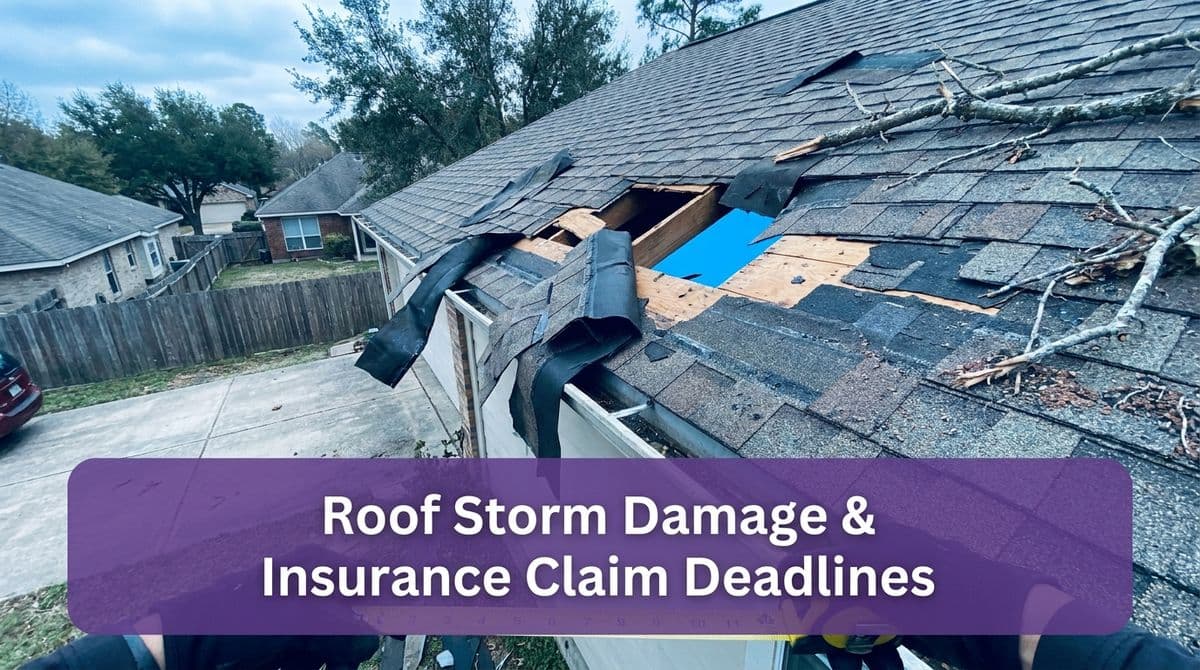
Why Timing Matters After Storm Damage
After a major hailstorm or wind event, many homeowners notice obvious signs of damage like missing shingles, ceiling stains, or debris scattered around the yard. But one of the biggest questions people ask is:
“How long do I actually have to file an insurance claim?”
The answer depends on your insurance policy, your state, and how quickly the damage is documented. Waiting too long can make the claims process more difficult — even when the storm damage is legitimate.
At Colorado Front Range Roofing, we help homeowners throughout Pueblo and Colorado Springs inspect storm damage, document roofing issues, and understand the insurance process before important deadlines pass.
Understanding the “Date of Loss”
One of the most important terms in any insurance claim is the “date of loss.”
This is simply the official date your insurance company uses for the storm event that caused the damage.
For roofing claims, the date of loss is usually:
The day the hailstorm occurred
The date strong winds damaged the roof
The date the storm impacted your property
Most insurance deadlines are tied directly to this date, including:
Reporting the claim
Submitting documentation
Completing repairs
That’s why it’s important to act quickly after severe weather moves through your area.
How Long Do You Have to File a Storm Damage Claim?
Every insurance policy is different, but most policies require homeowners to report storm damage promptly.
Common Timeframes Include:
30–60 days to notify the insurance company
Several months to complete documentation
6–12 months to complete repairs for full replacement cost coverage
Some policies use phrases like:
“Prompt notice”
“Reasonable timeframe”
“As soon as practicable”
The problem is that waiting too long can allow the insurance company to argue:
The damage came from wear and tear
The issue worsened due to neglect
The storm wasn’t the true cause
Even if damage is obvious later, delays can complicate the claim significantly.
Why You Shouldn’t Wait Too Long
Many homeowners assume they can simply “watch the roof” for a while before deciding whether to file a claim.
Unfortunately, that approach can create bigger problems.
Waiting Can Lead To:
Interior leaks
Mold growth
Rotting decking
More expensive repairs
Claim disputes with insurance
Storm damage also becomes harder to document over time as additional weather exposure affects the roof.
The sooner a professional inspection happens, the easier it is to connect the damage directly to the storm event.
Signs Your Roof May Have Storm Damage
Not all storm damage is easy to spot from the ground.
Some of the most common issues we find during inspections include:
Missing or lifted shingles
Hail bruising
Granule loss
Damaged flashing
Dented gutters or vents
Loose ridge caps
Small attic leaks or ceiling stains
Even roofs that “look fine” from the yard may still have hidden damage that shortens the lifespan of the roofing system.
What Homeowners Should Do After a Storm
1. Take Photos
Document:
Roof debris
Missing shingles
Dented gutters
Interior leaks or stains
Fallen branches or storm damage nearby
2. Prevent Further Damage
If safe, use temporary measures to prevent water intrusion until repairs can be evaluated.
3. Schedule a Professional Inspection
A professional roof inspection helps identify:
Storm-related damage
Hidden roofing issues
Insurance claim documentation needs
Whether repair or replacement makes more sense
At Colorado Front Range Roofing, we provide detailed inspections using drone technology and clear photo documentation to help homeowners understand the true condition of their roof.
4. Contact Your Insurance Company Promptly
Once damage is documented, contact your insurance company as soon as possible to avoid potential deadline issues.
Common Mistakes Homeowners Make
Some of the biggest mistakes after storm damage include:
Waiting too long to file a claim
Ignoring small leaks
Repairing damage before documentation
Throwing away damaged materials
Assuming the roof is fine without an inspection
Even small hail or wind damage can become major issues months later if left unaddressed.
Final Thoughts
Storm damage can be stressful, especially when insurance deadlines and roofing issues start piling up at the same time.
The best thing homeowners can do is act early. A professional inspection shortly after the storm can help identify hidden damage, document the condition of the roof, and give you a clearer understanding of your options before important claim deadlines pass.
At Colorado Front Range Roofing, we help homeowners across Pueblo and Colorado Springs navigate storm damage inspections with honest recommendations and detailed documentation.
If your home was recently impacted by hail or wind, schedule an inspection here:
https://coloradofrroofing.com/contact-us
FAQ
How long do I have to file a roof insurance claim?
It depends on your policy, but many insurance companies require claims to be reported within 30–60 days or “promptly” after the storm.
What happens if I wait too long?
Delays can lead to claim denials, disputes about the cause of damage, or uncovered secondary damage like mold and rot.
Can hail damage show up later?
Yes. Hail damage often weakens shingles before leaks appear, which is why inspections after storms are important.
Should I call a roofer or insurance company first?
Many homeowners schedule a professional roof inspection first to determine whether significant storm damage is actually present.
What should a storm damage roof inspection include?
A thorough inspection should include photos, documentation of damage, attic checks when possible, and honest recommendations for repairs or replacement.