How to Spot Hail Damage on Your Roof
Worried about hail damage after a storm? Learn how to spot roof hail damage, what to check indoors and out, and when to call a professional roofer.
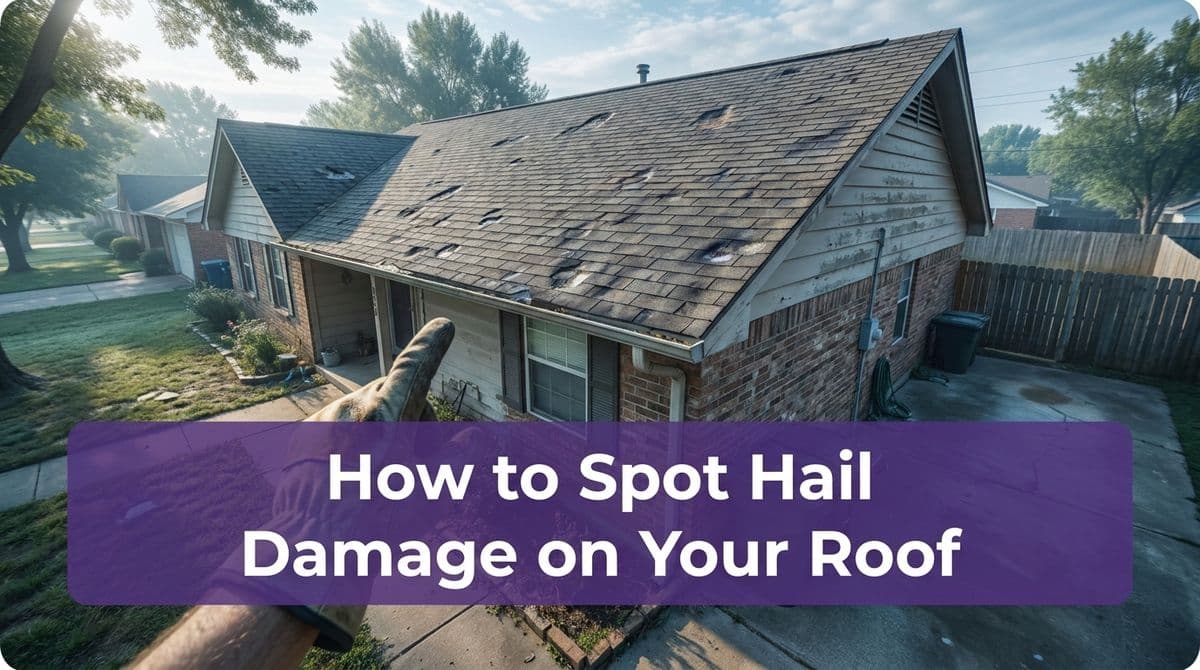
Worried About Hail Damage? Here’s What Homeowners Should Know
After a major hailstorm rolls through Pueblo or Colorado Springs, one of the most common questions homeowners ask is:
“How do I know if my roof was actually damaged?”
The challenge with hail damage is that it’s not always obvious from the ground. A roof can look perfectly fine from the yard while hidden damage slowly shortens the lifespan of the shingles and creates future leak risks.
At Colorado Front Range Roofing, we inspect roofs after storms every week, and we’ve seen firsthand how small hail impacts can eventually turn into costly repairs when they go unnoticed for too long.
The good news is that there are several warning signs homeowners can safely look for after a storm. Knowing what to check — and when to call a professional — can help protect your home and potentially save you thousands in future damage.
Start Safely: What You Can (and Shouldn’t) Do Yourself
The first priority after any storm is safety.
While it’s natural to want to climb onto the roof and inspect things immediately, steep, wet, or damaged roofs can be extremely dangerous.
What Homeowners Can Safely Do
Walk around the property from the ground
Use binoculars to inspect roof areas
Check gutters, siding, and downspouts
Take photos of visible damage
Look inside the attic for leaks or moisture
What You Should Avoid
Walking on steep roofs
Climbing ladders during wet or windy conditions
Inspecting damaged sections alone
Attempting temporary repairs without proper safety equipment
Often, visible damage to gutters, metal trim, or siding is enough to indicate the roof may also have been impacted.
Signs of Hail Damage on Asphalt Shingles
Asphalt shingles are one of the most common roofing materials throughout Pueblo and Southern Colorado, and hail damage on shingles often looks more subtle than homeowners expect.
In many cases, hail damage appears more like bruising than major visible holes.
Common Signs of Hail Damage
Dark or Black Circular Spots
Hail impacts can knock protective granules off the shingles, exposing the darker asphalt underneath.
Random Impact Patterns
Storm damage typically appears scattered across the roof rather than in neat lines or patterns.
Shiny or Bald Areas
Sections where granules have worn away may appear smoother, shinier, or slightly discolored compared to surrounding shingles.
Soft or Spongy Areas
On safely accessible roof sections, hail bruises may feel softer than surrounding areas because the shingle mat underneath has been weakened.
Even when the roof isn’t actively leaking, these damaged areas become vulnerable to UV exposure, moisture penetration, and accelerated aging over time.
Don’t Forget the Rest of the Roofing System
One of the biggest misconceptions about hail damage is that it only affects shingles.
In reality, hail can impact multiple parts of the roofing system and exterior surfaces around the home.
Gutters and Downspouts
Look for:
Dents
Chipped paint
Bent metal
Impact marks
If soft metals show significant damage, the roof likely absorbed impacts as well.
Roof Vents and Flashing
Metal flashing, roof vents, and chimney caps often show visible dimples after hailstorms.
Skylights and Chimneys
Check for:
Cracked glass
Damaged seals
Bent metal edges
Loose flashing
Siding and Window Screens
Torn screens, chipped paint, or cracked siding can help indicate:
The direction the storm traveled
The severity of the hail
Which side of the home took the strongest impacts
Taking photos of these areas immediately after a storm can also help if insurance documentation becomes necessary later.
Interior Signs Your Roof May Have Hail Damage
Sometimes the first signs of hail damage appear inside the home rather than outside.
After major storms, homeowners should inspect ceilings, walls, and attic spaces carefully.
Warning Signs Indoors
Brown ceiling stains
Peeling paint
Bubbling drywall
Damp attic insulation
Musty odors
Water spots after rainstorms
If moisture is already entering the home, the roof may have sustained enough damage to compromise the roofing system.
Check the Attic If It’s Safe
Look for:
Damp wood
Mold or mildew
Water trails
Daylight showing through the roof decking
Interior moisture issues should never be ignored, especially after hail events.
When It’s Time to Call a Professional Roofer
Some hail damage is easy to spot, but much of it requires a trained eye.
Professional inspections become especially important if:
Multiple areas show impact damage
Granules are collecting in gutters
Shingles appear bruised or cracked
Water stains are appearing indoors
The storm included large hail or strong winds
Your roof is already older
At Colorado Front Range Roofing, we use advanced drone inspection technology to safely identify storm damage without invasive inspections or unnecessary guesswork.
A professional inspection should include:
Detailed roof photos
Documentation of damage
Honest repair or replacement recommendations
Assessment of storm-related impacts
Guidance for next steps
Hail Damage and Insurance: Why Timing Matters
One of the biggest mistakes homeowners make after storms is waiting too long to schedule an inspection.
Most insurance policies have deadlines for reporting storm damage, and delays can make claims more difficult.
Why Early Inspections Matter
Storm Damage Documentation
Professional photos and inspection reports help document the condition of the roof shortly after the storm occurred.
Faster Claims Process
Having clear evidence of hail impacts can simplify communication with insurance adjusters.
Avoiding Unnecessary Claims
Not every storm causes major roof damage. A professional inspection can help determine whether filing a claim is actually worthwhile.
As insurance-claim specialists, Colorado Front Range Roofing helps homeowners throughout Pueblo and Colorado Springs navigate the inspection and documentation process with confidence.
Quick Homeowner Hail Damage Checklist
After the next major storm, here’s a simple checklist homeowners can use:
Walk around the property and inspect gutters, siding, and metal surfaces
Use binoculars to look for dark spots or missing granules on shingles
Check downspouts for excess granule buildup
Inspect roof vents and flashing for dents
Look inside the attic for moisture or stains
Watch ceilings and walls for discoloration
Photograph anything suspicious
Schedule a professional inspection if damage is visible or uncertain
Final Thoughts
Hail damage isn’t always dramatic or immediately visible, but even small impacts can shorten the lifespan of your roof and lead to expensive problems later.
Catching damage early gives homeowners more options, helps prevent leaks, and can make the insurance process much smoother if repairs or replacement become necessary.
At Colorado Front Range Roofing, we provide thorough roof inspections, detailed storm damage assessments, and honest recommendations based on your roof’s actual condition.
If your neighborhood was recently hit by hail and you’re unsure whether your roof sustained damage, schedule a professional inspection at:
https://coloradofrroofing.com/contact-us
FAQ
Can hail damage a roof without causing immediate leaks?
Yes. Hail can weaken shingles and remove protective granules long before leaks appear.
How soon should I inspect my roof after a hailstorm?
Ideally within a few days after the storm, especially if large hail or strong winds occurred.
Will homeowners insurance cover hail damage?
In many cases, yes — if the damage is documented and the claim is filed within the policy timeframe.
What size hail can damage asphalt shingles?
Even hail around 1 inch in diameter can damage shingles depending on wind speed, roof age, and material condition.
How do professionals identify hail damage?
Roofers look for bruising, granule loss, soft spots, dents in soft metals, cracked shingles, and storm impact patterns across the roof system.