What Is TPO Roofing? Pros, Cons, and Costs for Your Roof
Learn what TPO roofing is, its pros and cons, typical costs, and when it’s the right choice for a flat or low-slope home or commercial roof.
Understanding TPO Roofing
If you’ve been researching roofing options for a flat or low-slope roof, you’ve probably come across the term “TPO roofing.” It’s one of the most popular commercial roofing systems today, but many property owners still aren’t completely sure what it is or whether it’s the right choice for their building.
At Colorado Front Range Roofing, we regularly help homeowners and commercial property owners compare roofing systems and understand the pros, cons, and long-term value of TPO roofing before making a decision.
So what exactly is TPO roofing, and why is it used on so many buildings throughout Pueblo and Colorado Springs?
What Is TPO Roofing?
TPO stands for thermoplastic polyolefin.
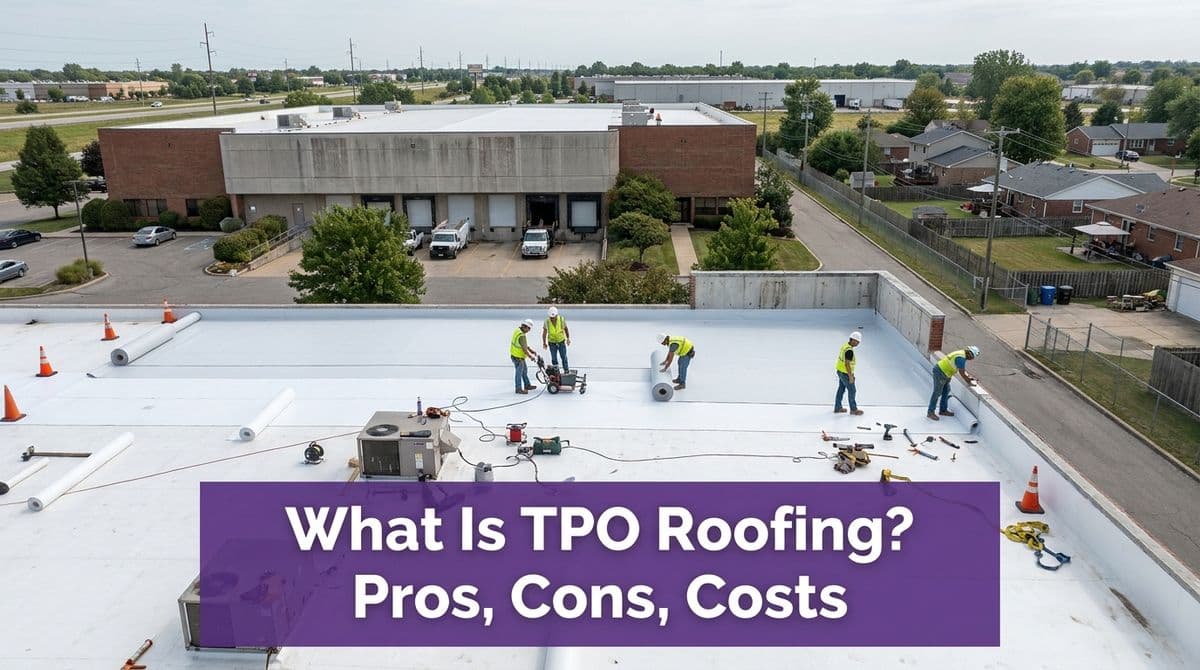
In simple terms, TPO is a single-ply roofing membrane designed for flat and low-slope roofs. Instead of shingles or metal panels, large sheets of waterproof membrane are rolled out across the roof surface and attached to the roof deck.
The seams are heat-welded together, creating a continuous waterproof barrier that helps protect the building from moisture and weather exposure.
TPO roofing is most commonly available in:
White
Light gray
Tan
The lighter color helps reflect sunlight and reduce heat absorption, which is one reason TPO has become so popular for commercial buildings.
Where TPO Roofing Is Commonly Used
TPO roofing is typically installed on:
Commercial buildings
Warehouses
Retail centers
Apartment complexes
Office buildings
Flat residential roof sections
Low-slope additions or patios
If your roof is mostly flat or has a very low pitch, TPO may be one of the roofing systems worth considering.
Pros of TPO Roofing
Energy Efficiency
One of the biggest advantages of TPO roofing is energy efficiency.
Because TPO membranes are usually light-colored and reflective, they help reduce heat absorption during hot summer months.
Benefits can include:
Lower cooling costs
Reduced HVAC strain
Improved indoor comfort
Better energy performance for large buildings
This is especially valuable for commercial buildings with large roof surfaces exposed to direct sunlight all day.
Strong Waterproofing Protection
TPO systems use heat-welded seams instead of adhesives alone. When properly installed, these welded seams create a strong waterproof connection across the roof system.
This helps reduce:
Leak risks
Seam separation
Water intrusion problems
For flat roofs where standing water can occasionally occur, seam strength is extremely important.
Flexibility and Durability
TPO roofing is designed to handle:
UV exposure
Temperature fluctuations
Expansion and contraction
Moderate foot traffic
Wind exposure
A properly installed TPO roof can perform well for decades with regular maintenance and inspections.
Cost-Effective Roofing Option
Compared to some other commercial roofing systems, TPO often provides a strong balance between performance and affordability.
In many cases, TPO costs less than premium systems like PVC roofing while still delivering:
Good durability
Energy savings
Reliable waterproofing
This makes it attractive for property owners trying to balance upfront cost with long-term value.
Cons of TPO Roofing
Installation Quality Matters
One of the biggest drawbacks of TPO roofing is that performance depends heavily on installation quality.
Improper installation can lead to:
Weak seam welds
Flashing failures
Poor drainage
Membrane lifting
Premature leaks
That’s why it’s critical to work with an experienced roofing contractor familiar with commercial membrane systems.
At Colorado Front Range Roofing, our team follows manufacturer-approved installation methods to ensure long-term performance and warranty compliance.
Not Ideal for Steep Residential Roofs
TPO is designed primarily for flat and low-slope applications.
For traditional steep residential roofs, asphalt shingles or metal roofing are usually more practical and visually appealing.
However, TPO is often used successfully on:
Flat patio roofs
Modern-style homes
Roof decks
Residential additions
Can Be Vulnerable to Punctures
Although durable, TPO is still a membrane system and can be punctured by:
Sharp tools
Heavy equipment
Falling debris
Frequent foot traffic
Buildings with regular rooftop maintenance activity may require added protection like walkway pads.
How Much Does TPO Roofing Cost?
TPO roofing costs vary depending on several factors, including:
Roof size
Roof complexity
Insulation requirements
Membrane thickness
Existing roof removal
Drainage conditions
Warranty options
Generally, thicker membranes and better insulation systems cost more upfront but provide longer lifespan and improved performance over time.
When comparing quotes, property owners should look beyond just price and compare:
Membrane thickness
Warranty coverage
Insulation R-value
Installation methods
Contractor experience
The cheapest estimate is not always the best long-term investment.
How Long Does a TPO Roof Last?
With proper installation and maintenance, many TPO roofing systems last:
Approximately 20–25 years
Sometimes longer with regular inspections and maintenance
Factors that affect lifespan include:
Climate conditions
Roof traffic
Drainage performance
Installation quality
Material thickness
Regular inspections help catch seam issues or punctures early before they turn into major leaks.
When TPO Roofing Makes Sense
TPO roofing is often a great option if:
You have a flat or low-slope roof
Energy efficiency is important
You want a cost-effective commercial roofing system
You need strong waterproofing performance
You’re planning long-term ownership of the building
It’s especially common for:
Office buildings
Warehouses
Retail properties
Multi-family housing
Commercial facilities
When Another Roofing System May Be Better
TPO may not be the ideal fit if:
Your roof is steeply sloped
Appearance is a major priority
The roof receives heavy foot traffic daily
You need specialized chemical resistance
The building design requires another roofing style
In some situations, alternatives like:
PVC roofing
Modified bitumen
Metal roofing
Asphalt shingles
…may make more sense depending on the property and goals.
Final Thoughts
TPO roofing has become one of the most widely used flat roofing systems for good reason. It offers strong waterproofing performance, energy efficiency, and cost-effective protection for many commercial and low-slope residential buildings.
Like any roofing system, though, the quality of the installation matters just as much as the material itself.
At Colorado Front Range Roofing, we help homeowners and commercial property owners throughout Pueblo and Colorado Springs compare roofing options honestly and choose the system that best fits their building, budget, and long-term goals.
If you’re considering TPO roofing for your property, you can schedule an inspection or consultation here:
https://coloradofrroofing.com/contact-us
FAQ
What does TPO stand for in roofing?
TPO stands for thermoplastic polyolefin, a single-ply roofing membrane commonly used on flat and low-slope roofs.
How long does a TPO roof last?
Most TPO roofs last around 20–25 years with proper installation and maintenance.
Is TPO roofing energy efficient?
Yes. TPO roofing reflects sunlight and helps reduce heat absorption, which can improve cooling efficiency.
Is TPO better than EPDM?
It depends on the building and goals. TPO offers reflective energy efficiency, while EPDM is known for flexibility and cold-weather performance.
Can TPO roofing be repaired?
Yes. Many TPO roofing issues can be repaired if damage is caught early through regular inspections.